
St. Petersburg Strike Puts the Oil Supply Premium to the Test

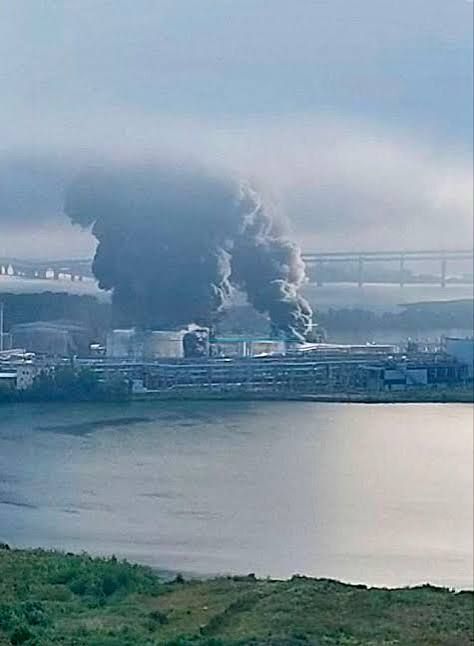
Ukraine’s Sunday drone attack set fires at an oil export terminal and an oil depot in St. Petersburg, according to the Associated Press. The report confirms fires but does not say how long operations may be affected or how many barrels could be delayed. Since the strike happened after Friday’s close, its market impact has not yet been priced in.
Brent had settled Friday at $109.86 a barrel after touching $110, while U.S. WTI closed at $101.41, Reuters reported. Traders were already watching Middle East tensions and uncertainty about Russian diesel exports. Reuters quoted Energy Aspects: “WTI and Brent reversed earlier losses as escalation fears resurfaced amid rumours of attacks on Saudi energy infrastructure.” The St. Petersburg strike adds supply risk, but prices are more likely to hold their gains if exports are actually interrupted.
The White House’s October 16 order waives specified provisions of the new Russia-and-Iran sanctions law, citing U.S. national interests. That creates uncertainty around Russian trade, but it does not confirm that additional oil or diesel is reaching buyers.
What do we know from similar situations in the past?
Earlier attacks show why traders need to watch the physical supply, not just the headlines. In 2019, Houthi attacks shut down more than half of Saudi Arabia’s crude output. Production recovered quickly, and the U.S. did not need to release oil from its emergency reserve, according to Reuters’ review of past reserve releases. A sharp price reaction can fade if repairs are fast and exports continue.
After Russia invaded Ukraine in 2022, the U.S. ordered a record 180-million-barrel Strategic Petroleum Reserve release over six months, Reuters reported. Reserve barrels can help, but they take time to reach the market.
Today’s balance is mixed. The International Energy Agency’s October report says global stocks were 509 million barrels below their end-of-February level and warns that “renewed attacks in the Gulf leave the recovery fragile.” The IEA projects demand will fall by 2.6 million barrels a day in 2026, then supply will rise by 7.7 million barrels a day in 2027. A near-term disruption could support prices, while a later supply recovery could pressure them.
How can we make or save money investing or selling based on certain triggers?
Bullish trigger: Confirmed delays or cancellations in St. Petersburg export loadings, especially alongside renewed attacks on Gulf infrastructure or shipping. That would strengthen the case for oil producers or energy funds. Wait for confirmation of disrupted flows rather than buying solely on the headline.
Bearish trigger: Fires are contained, terminal operations continue and shipping schedules remain normal. In that case, the rally could fade. Consider taking profits or reducing exposure if prices rise but physical supply remains intact.
For a longer-term reference, the EIA expects Brent to average $105 a barrel in the fourth quarter and $84 in 2027, assuming oil flows recover and inventories rebuild. Businesses that rely on diesel or freight should watch supplier quotes and local fuel prices; crude prices alone do not determine what they pay.


