Houthi Attacks on Saudi Arabia Put the Kingdom’s Backup Oil Route at Risk


Yemen’s Houthi rebels hit Riyadh’s main airport with missiles on Saturday, killing 13 people and injuring more than 300, according to Reuters. It was the deadliest attack on Saudi Arabia in more than a decade. Oil barely moved, but the fight is getting closer to the route Saudi Arabia uses to ship its crude.
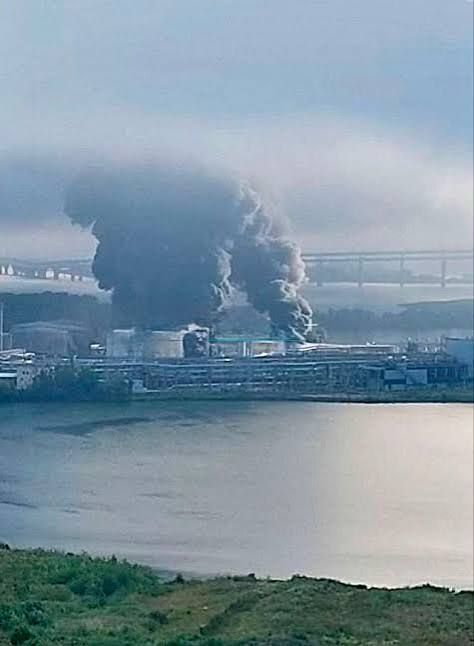
A second strike on Sunday killed one person and injured 11, and the airport remains closed with no reopening date. The Houthis also claim they hit two sites run by Aramco, Saudi Arabia’s state oil company, the Shedgum gas plant and the Tanajib oil facility. Saudi authorities haven’t confirmed either.
So why isn’t oil reacting more? Brent, the global benchmark, traded near $104 a barrel Monday morning, while WTI, the U.S. benchmark, sat near $91. Both slipped slightly as traders focused on the Russia-Ukraine energy ceasefire instead.
Analysts at ING still see danger. They said the attacks show supply risks from the region remain, even with Persian Gulf oil flows at their highest since the U.S.-Iran war began.
The bigger worry is the Red Sea. With the Strait of Hormuz choked off, Saudi Arabia has been piping crude west to its Red Sea port of Yanbu. Tankers heading to Asia from there must pass through Bab el-Mandeb, the narrow strait off Yemen’s coast.
Key numbers
- Riyadh airport attack: 13 killed, 300+ injured (Reuters)
- Brent: about $104, WTI: about $91 (Monday morning)
- Saudi crude exports shipped from Yanbu: about 75% in early July (Kpler, a ship-tracking firm)
The Houthis declared a maritime embargo on Saudi Arabia back in July. Now that the shooting has reached Riyadh, that threat looks a lot less theoretical. A hit on Yanbu traffic would squeeze the main route keeping Saudi barrels flowing.
Washington is weighing its options. Asked whether the U.S. would join strikes on the Houthis, President Trump said, “We may. We’re going to look at it.”
Big Oil seems nervous too. The CEOs of ExxonMobil, TotalEnergies, Shell and BP canceled plans to attend this week’s energy congress in Riyadh, the Financial Times reported.
For now, the market is betting the Saudi-Houthi fight stays contained. If it spreads to shipping lanes, that bet gets expensive fast.
Sources:
- OilPrice.com (Oct. 12): https://oilprice.com/Latest-Energy-News/World-News/Oil-Stuck-Between-Middle-East-Escalation-and-Russia-Ukraine-Energy-Truce.html
- Al Jazeera (Oct. 11): https://www.aljazeera.com/news/2026/10/11/yemen-fighting-expands-as-houthis-attack-saudi-airport-what-to-know
- Enterprise (Oct. 12): https://enterpriseam.com/logistics/2026/10/12/houthi-claimed-attacks-now-span-saudi-arabias-airports-and-aramco-sites-and-riyadhs-main-gateway-is-shut
- Seatrade Maritime (July 20): https://www.seatrade-maritime.com/security/houthi-embargo-puts-saudi-red-sea-oil-route-at-risk