Oil Nears $100 as Middle East Attacks Threaten a Larger Supply Shock


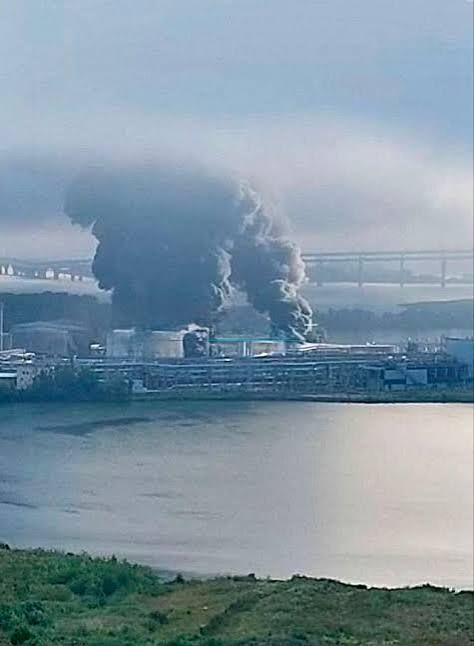
Oil is knocking on $100 again, but the headline price is only the beginning of the story. Brent reached $99.49 Wednesday after the United States said it destroyed five Iranian crude carriers. Iran retaliated with ballistic missiles aimed at American military targets in Jordan, while Iran-backed Houthis attacked Saudi energy facilities, causing fires, injuries and temporary shutdowns.
Secretary of State Marco Rubio warned that every attempted Iranian attack on American ships would cost Iran more tankers. President Donald Trump remains confident about the eventual outcome, predicting oil prices will “drop precipitously” once America wins the war. The market, at least for now, is betting that conditions could worsen first.
Saudi Arabia’s Energy Ministry promised to protect workers and ensure “the continuation of work,” but it has not publicly detailed how much production was affected. OPEC+ also decided to hold production steady through October rather than immediately adding barrels.
That missing information—how much oil is actually offline and for how long—is what matters most.
History shows why. The 2019 attack on Saudi Arabia’s Abqaiq processing complex initially removed approximately 5.7 million barrels per day, sending Brent from around $60 to $69. Saudi production recovered within weeks, however, and oil soon fell below its pre-attack price. Investors who bought after the initial surge were left holding the headline.
The sustained 1973 Arab oil embargo produced a completely different result. Supply restrictions continued for months, prices quadrupled and the higher price environment survived after the embargo ended. One incident created a spike; prolonged missing barrels created a lasting repricing.
That is why investors should care about more than whether Brent briefly crosses $100. The real bullish triggers would be Saudi facilities remaining impaired for weeks, tanker traffic through the Strait of Hormuz deteriorating further, physical oil shortages widening and OPEC+ continuing to withhold additional production.
If those conditions develop together, profitable American and Canadian producers may provide cleaner exposure than chasing crude itself near $100. Oil-service companies could become the second opportunity if higher prices lead producers to expand drilling.
The warning signs are just as important: a verified Saudi restart, recovering Hormuz traffic, an OPEC emergency increase, a ceasefire or a major release from strategic reserves. Those developments would suggest fear is fading and missing barrels are returning.
The attack got everyone’s attention. Its effect on actual supply will decide who makes money.