
Trump Weighs Diesel Export Ban as Prices Sit Near Record
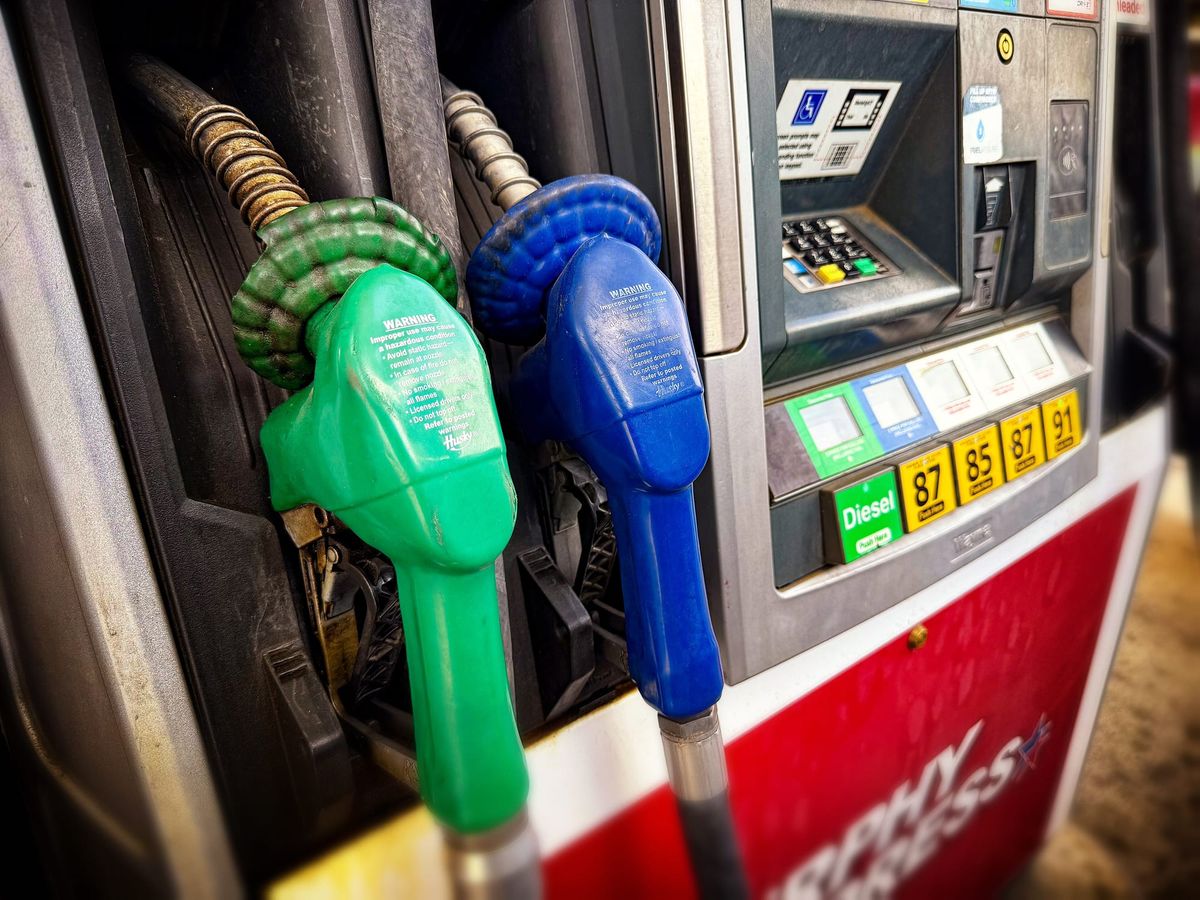
President Trump says he is weighing a ban on U.S. diesel exports "very seriously," with the national average for diesel at $6.45 a gallon, just off an all-time high. The U.S. is the world's largest diesel exporter, so even talk of a ban moves refiner stocks, European fuel prices and, oddly enough, the gasoline Americans put in their cars.
Trump made the comment Sunday to a Fox News reporter at the Presidents Cup golf tournament near Chicago. Record diesel costs are squeezing farmers and truckers, and the pressure has been building ahead of November's midterms.
Diesel by the Numbers
- National average diesel: $6.45 a gallon (AAA, Sept. 28)
- Record high: $6.53 a gallon, set Sept. 22
- 30-day change: up 84 cents
- U.S. diesel inventories: 107.9 million barrels as of Sept. 11, the lowest in more than four decades (EIA)
- U.S. diesel exports: equal to about 40% of domestic consumption (Rachel Ziemba, Center for a New American Security)
Why Diesel Got So Tight
Diesel trades on a global market, and right now that market is short. Drone attacks have damaged major Russian refineries, and refinery disruptions in the Middle East add to the squeeze. Russia has also banned its own diesel exports through the end of September, and OilPrice.com reports an extension through October is likely.
Executives at top U.S. refiners estimate that 7 to 8 million barrels per day of petroleum products have been off the market for months. American refineries are running hard to fill the gap. Because they sell into a global market, their diesel flows to wherever prices are highest.
Mixed Signals From Washington
The White House has sent mixed messages for a week. On Sept. 22, Trump said he had called for a ban and promised a decision "fast, one way or the other." Treasury Secretary Scott Bessent said the administration was studying whether a full or partial ban would work.
Politico then reported the White House was preparing a 90-day ban. Energy Secretary Chris Wright pushed back the same day, saying "nobody wants a full blanket ban or zero exports of diesel." Wright has said the White House is considering restrictions rather than an outright ban, while some Republican senators, led by Iowa's Chuck Grassley, want Trump to go further with a temporary embargo.
Why a Ban Could Backfire
The problem is storage. Refiners make diesel, gasoline and jet fuel from the same barrel of crude. If diesel can't leave the country, tanks fill up and refineries have to cut runs (the amount of crude they process), which means less of every fuel, not just diesel.
Wright has made that same argument himself. S&P Global estimates a full ban could force production cuts of as much as 750,000 barrels a day and could turn the U.S. into a net gasoline importer (buying more gasoline abroad than it sells) in the fourth quarter. Morgan Stanley strategists also warned of a feedback loop to U.S. gasoline prices as refineries adjust.
The industry is lined up against it too. The U.S. Chamber of Commerce and dozens of other trade groups sent Trump a letter warning that a ban would mean tighter supplies and higher costs for families, farmers and truckers. The American Petroleum Institute also opposes restrictions.
What It Means for Markets
Refiner stocks have already shown how sensitive this is. Valero, Marathon Petroleum and Phillips 66 shares fell after the Politico report, and diesel futures (contracts that lock in a diesel price for future delivery) dropped with them. A ban would cut those companies off from overseas buyers paying top dollar for fuel.
Europe is the most exposed. Analysts cited by CNBC note the U.S. has supplied about half of Europe's diesel imports over the last couple of months, and they warned a restriction could push European diesel prices to new highs. Wood Mackenzie says China is the only country with enough spare refining capacity to fill the gap, and it may decide not to.
The Bottom Line
Even without a ban, the diesel squeeze isn't going away soon. Energy Intelligence reported today that global diesel markets have entered a period of prolonged tightness whether or not Washington acts.
A ban would stack a policy shock on top of a supply shock. The industry, most analysts and even the Energy Secretary warn it would raise the very prices it's meant to lower. For refiners and anyone tracking European fuel prices, Washington's next move is the one to watch.
Sources: CNBC, Bloomberg, Axios, Al Jazeera, Kelley Blue Book, OilPrice.com, inkl, Vantage Markets, Energy Intelligence


.jpg)