
Oil Drops Below $100, but Cheaper Fuel Will Take Longer

October 6, 2026
Oil prices fell Tuesday because more Middle Eastern crude is reaching buyers, easing concerns about supply. Saudi Arabia’s export recovery and a planned emergency reserve release are giving traders less reason to pay a premium for shortages. Brent traded at $98.62 a barrel at 10:13 GMT, down 1.7%, while U.S. crude fell 2.1% to $87.60.
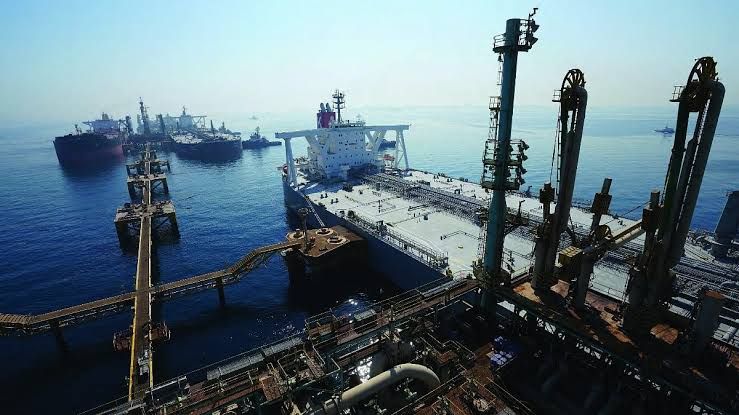
The numbers explain the move. Gulf exports excluding Iran averaged 19.2 million barrels daily in September, exceeding 81% of prewar levels. But the recovery has a catch: crude and condensate shipments reached 91% of their previous levels, while finished-fuel exports remained at just 60%. More oil is moving, but damaged refineries still have to turn it into diesel, gasoline and jet fuel.
That means this recovery won’t fix the fuel shortage overnight. It won’t repair refineries, make tanker routes safe or immediately refill depleted stockpiles. Drivers and truckers could keep paying high prices even while crude gets cheaper.
Washington is trying to shorten that wait. President Donald Trump said Monday, “Today, I am announcing another unprecedented step to bring down costs.” His executive order directs officials to ease highway-use restrictions on dyed diesel and pursue federal excise-tax payment deferrals through year-end. Those taxes aren’t automatically forgiven; implementation guidance will determine who qualifies.
New York energy trader John Kilduff described the pressure last week: “There's a call for distillates around the world and you have no choice but to pay the price.” Saudi Aramco chief Amin Nasser warned Monday that “replenishing inventories while meeting demand could take up to two years.”
We’ve seen this reversal before
After Saudi facilities were attacked in September 2019, oil surged. Reports that production could recover within weeks then sent Brent down 5.4% during September 17 trading. Traders don’t wait for every repair to finish before selling. This time, widespread shipping and refinery disruptions make the recovery harder.
Where the money could be made—or protected
Refiners such as Marathon Petroleum (MPC) and Valero (VLO) are worth researching if crude costs fall while diesel prices stay firm. That combination can widen the gap between what refiners pay and what they earn selling fuel. Marathon’s financial reporting explains how that margin affects its business.
But cheaper crude doesn’t guarantee higher refinery shares. Falling diesel prices could squeeze the margins, and investors may already have priced in strong earnings. Holders protecting recent energy gains could trim concentrated positions gradually. Fuel buyers can compare supplier quotes and stagger purchases instead of committing everything at today’s price.
What to watch next
Watch actual emergency-reserve deliveries, sustained Gulf exports, refinery restarts and U.S. diesel inventories. The gap between crude and diesel prices will help show whether shortages are easing. Renewed tanker attacks or pipeline outages could send oil higher again. Today’s decline buys breathing room; lasting relief depends on more finished fuel reaching buyers.


